What AI Inboxes Mean for Your Email Marketing
If you’ve been tracking the latest updates in email marketing, you know that AI is shaking things up. Tech giants are rolling out major AI features, like Google embedding Gemini into Gmail and Apple Intelligence bringing summaries, priority messages, and smart replies to Apple Mail. The way people interact with email is undoubtedly changing, and as always, we must meet the consumer where they are. So, in this blog, we’re going to unpack what changes are happening with AI inboxes and what they mean for your email marketing.
Is Email Marketing Dying?
A quick trip down memory lane: Remember back in 2016 when Instagram changed its feed from chronological to an algorithm-based timeline? Yeah, I cringed at realizing that was a decade ago too. Well, that’s a good way to think about what’s happening with AI inboxes right now. When Instagram made this life-altering change, annoyance and confusion came first. Then, marketers started to strategize. And now, Instagram is widely considered one of the best platforms to advertise on.
So, before you go panic-search “Is email marketing dying?!”, let’s remember that email marketing continues to deliver one of the strongest ROIs of any digital marketing channel in 2026. AI is not going to kill email marketing. However, it is going to make lazy email marketing much easier to ignore. To thrive in the era of smart inboxes, you must optimize your strategy for AI or get left in the dust (or the spam folder).

What’s Changing in the Inbox?
AI-Generated Email Previews & Summaries:
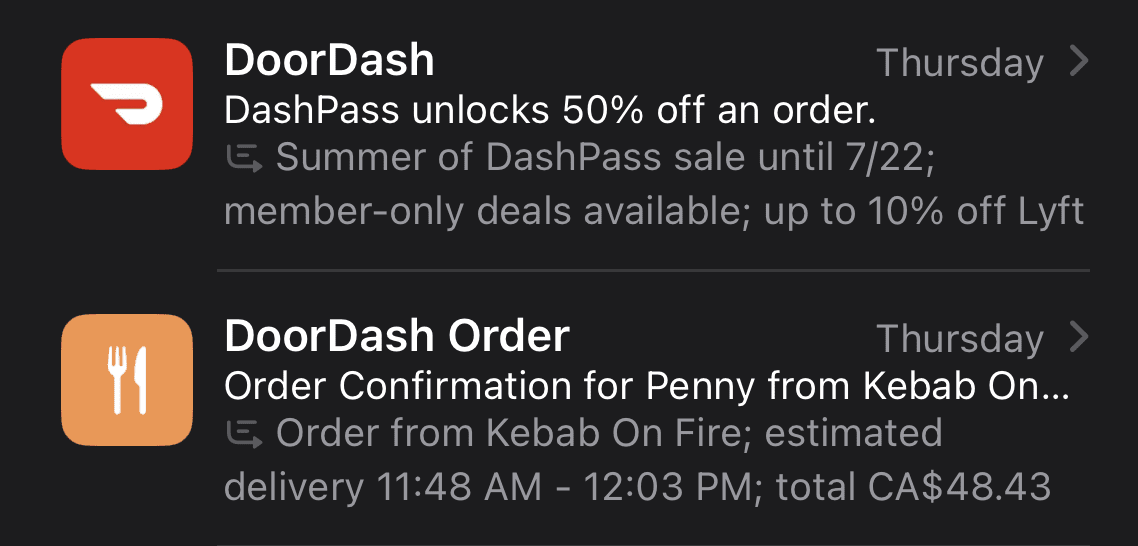
Image source: Dyspatch
Platforms like Apple Mail, when Apple Intelligence is enabled, can replace the traditional preheader line with short, AI-generated summaries of your email’s content.
How to optimize:
With Apple Intelligence handling preview text, your traditional preheader strategy matters much less. One thing we still have control over is our subject lines. Your subject lines need to be short, punchy, and completely direct. Now, to optimize your content for AI previews, you’ll need to “front-load” your messages, meaning you should put the most important information at the very top of your newsletter.
As email strategy platform MessageFlow points out:
“Your value proposition lives or dies in the first sentence. Gemini’s summary cards extract 1-2 sentences from your email to represent its entire message to the subscriber. Those sentences almost always come from the opening lines of your email body. If your key offer, deadline, or benefit is buried two paragraphs in, it won’t appear in the summary your subscriber sees first.”
If you are a DMO promoting local events and discounts, your email should start with a clear intro paragraph covering all the main announcements or packages. Do not bury your “Fall Weekend Getaway Deals” below a 300-word intro about the changing color of the leaves. Put the core value in the first 100 to 200 characters of real text.

Gmail is also providing AI summary cards at the top of emails, again, summarizing your email content for you. This means, along with front-loading your message, you also need to ensure your content throughout is structured in a way that is easy for AI to interpret. You can do this by having clear headers, concise text blocks with less fluff, CTA buttons, and avoiding hiding text in your images. While this feature seems to be more prominent for conversational email threads and shipping updates, this is still something to keep our eyes on as AI gains more control over email inboxes.
AI-Powered Inbox Searches & Prioritization
AI-powered Gmail search features are gradually rolling out, allowing eligible users to ask natural language questions and receive AI Overviews based on information in their inbox. Instead of using search to find a specific email, users can treat Gmail search more like a traditional search engine. Now, users can ask questions like “What are some hotel discount codes for this weekend?” or “Find family-friendly events this month”. Built-in AI features are also beginning to prioritize what matters most, using signals like message content, frequent contacts, and user behavior to help surface important emails.
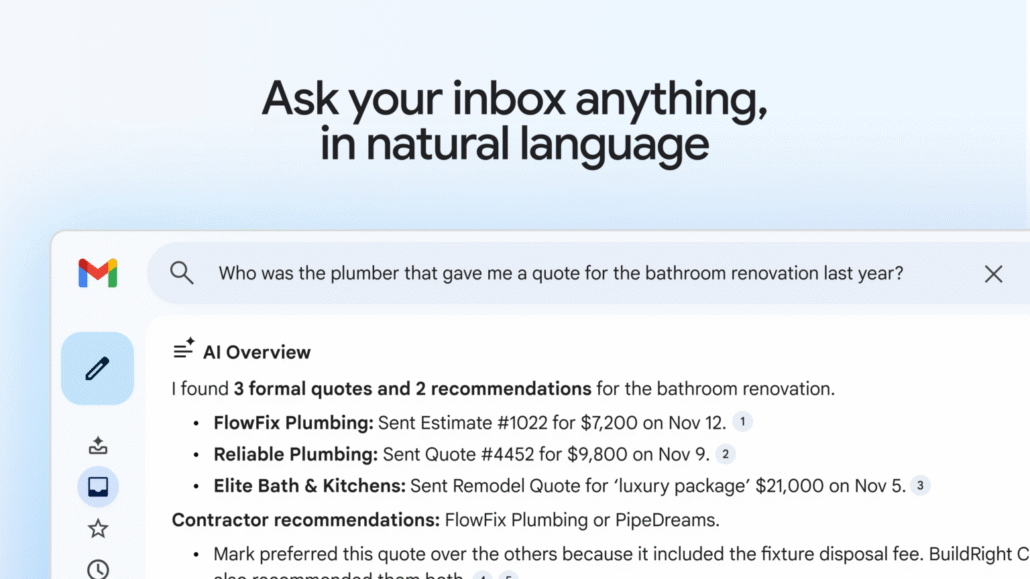
Image source: Google
How to optimize:
To optimize for AI-powered search, we must start using GEO best practices in our email campaigns. Subscribers will be searching their own email history using natural language phrases like “birthday deal,” “discount code,” or “weekend packages.” If your email content isn’t structured to answer those queries, you miss out on a second wave of passive engagement from people looking to book a trip.
Be sure to use explicit keywords in headers and throughout your message. Using clear text headings throughout your email layout that include searchable terms your audience naturally uses, such as “Hotel Packages” or “Upcoming Festivals & Events” will help you show up in AI-generated search results.
Stop baking text into graphics! If you’re relying on carefully crafted graphics to portray your main offers or event titles, you have just made your email practically invisible to AI. Apple Mail and Gemini may ignore image text and ALT text when generating summaries and pulling search results. So, keep your text in clean, coded HTML, while using images as decoration.
To win the AI prioritization game, you must create emails that drive real action. If subscribers consistently ignore, delete, or disengage from your emails, AI-powered inboxes may have fewer positive signals to work with, potentially making your emails less visible in the inbox and in search results. Make sure you are keeping a healthy, engaged list and that you are providing real value in every message. If you start to see unengaged users, beat them to the unsubscribe button! Attempt to re-engage inactive contacts or remove them from your list before they start weighing down your email results and jeopardizing your AI placements. A smaller, highly active list will always beat a massive, dead list, especially in the age of AI.
The AI Inbox Mindset Shift
The smart inbox isn’t the end of email marketing; it’s an evolution. By structuring your emails for AI readability, prioritizing clean list hygiene, and front-loading your valuable content, you can use these algorithm updates to get your destination or brand in front of travelers faster and more efficiently than your competitors.
Navigating changes in email delivery, AI summaries, and advanced targeting can feel like a lot to manage while trying to run your day-to-day operations. If you want to ensure your email strategy is built to conquer the modern AI inbox, we are here to help. Reach out to our team today to optimize your email marketing strategy.